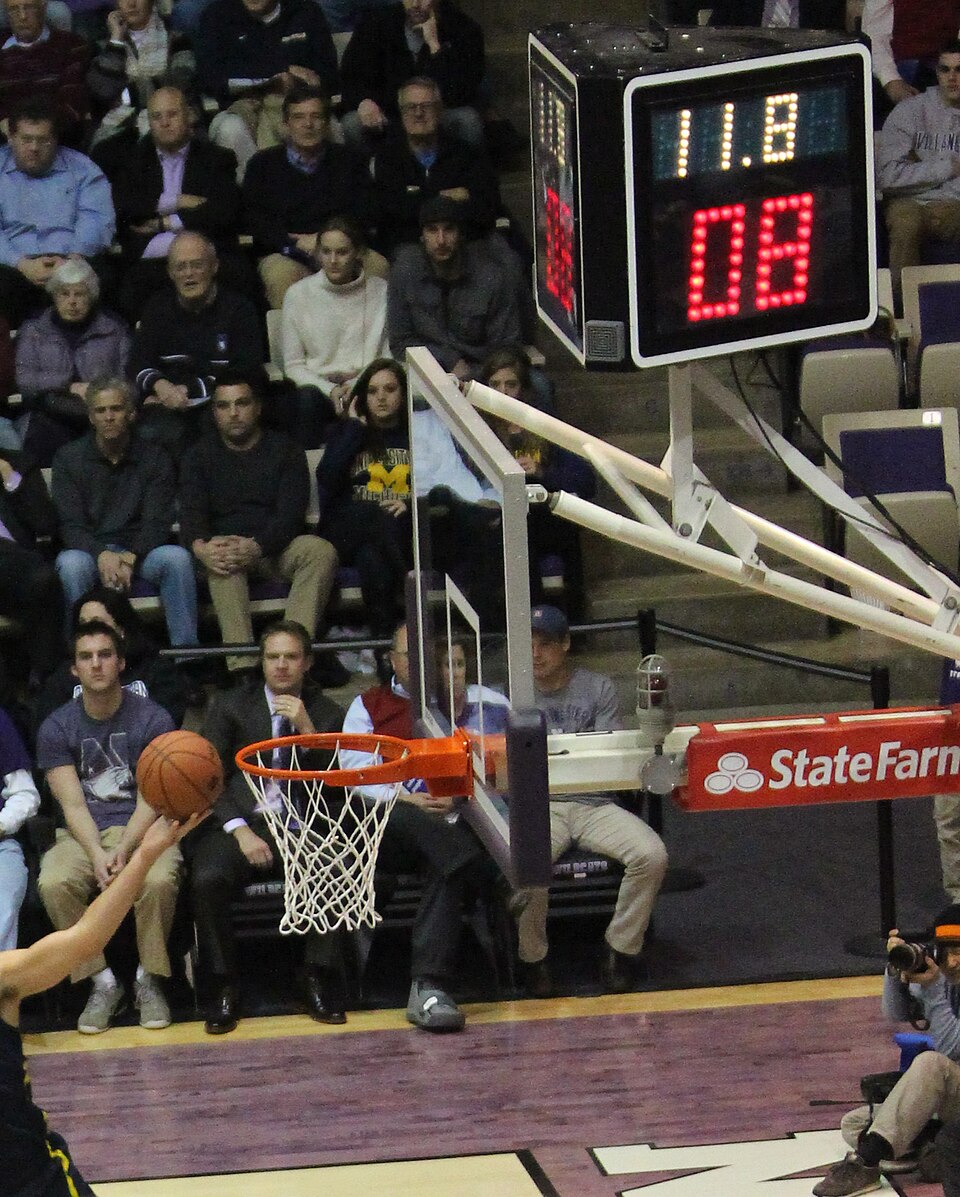







































Winter student athletes have good time management skills because some practices run into the night or even super early in the mornings and have to be there on time. Most of the games, meets or matches for these athletes are during the week and not every game is going to start on time. At the end of the season when states are starting, depending on how far the state match is, the student athletes may have to miss classes or lectures. This time of the school year is the most important time for the students, at this time the midterms, finals, and major projects are happening.
Physical status is also something that affects the athletes. In the cold weather, many athletes suffer from stiff muscles, higher injury risk, and mental struggles. When the cold weather comes around it’s harder for the athletes to take care of their bodies rather than in the spring or fall. A few of the bowlers here at Manchester Township High School, have to use KT tape for their carpal tunnel, knee injuries, or wrist braces to help. With it getting darker earlier, it can wear down any athlete because some get tired sooner and more often. Athletes also lose energy more than in the fall or spring. Being a winter athlete means having little to no recovery time in between competitions because most teams have competitions four times a week and tournaments on the weekends.
Another downside to being a winter season athlete is that grades have to be kept up otherwise a student can be put on academic hold. Academic hold is when an athlete can’t play a chosen sport because they have failing grades. If a student fails a class for long enough the student can be kicked off the team that is being played.
Being a winter sport athlete means that a social life will probably be less active. Having a sport that is played everyday of the week and when some athletes don’t get home until 7 or 8pm making plans to hang out with friends is very hard.
Advantages of being a winter athlete can include strong team bonds, pride, and benefits.
Benefits of being a winter student athlete include leadership skills, time management, confidence under pressure and amazing work ethic. Having these benefits will help you prepare for a job or college.
Team bonding is something that comes in with all sports, but it means something different when the sport is played in the winter. Team bonding will ensure that the team can function together and be as one. Long bus rides with the team, getting food together and traveling together is one way to participate in team bonding.
Pride is shown and important in every season of a sport but the winter season is different. Some examples of showing pride are representing your team at a match, or school event like a pep rally. Pride is also shown by practicing on days off when your team is not playing. Shooting a basket, hitting the pins, or being in the YMCAs pools to get more practice even when the team isn’t there may help with getting better at a sport.
All in all, being a winter student athlete takes a lot out of a student athlete, more than just a regular student. With all the academic stress, low social life, risk of physical injury and even team bonding, it is a lot to be a winter student athlete.