


































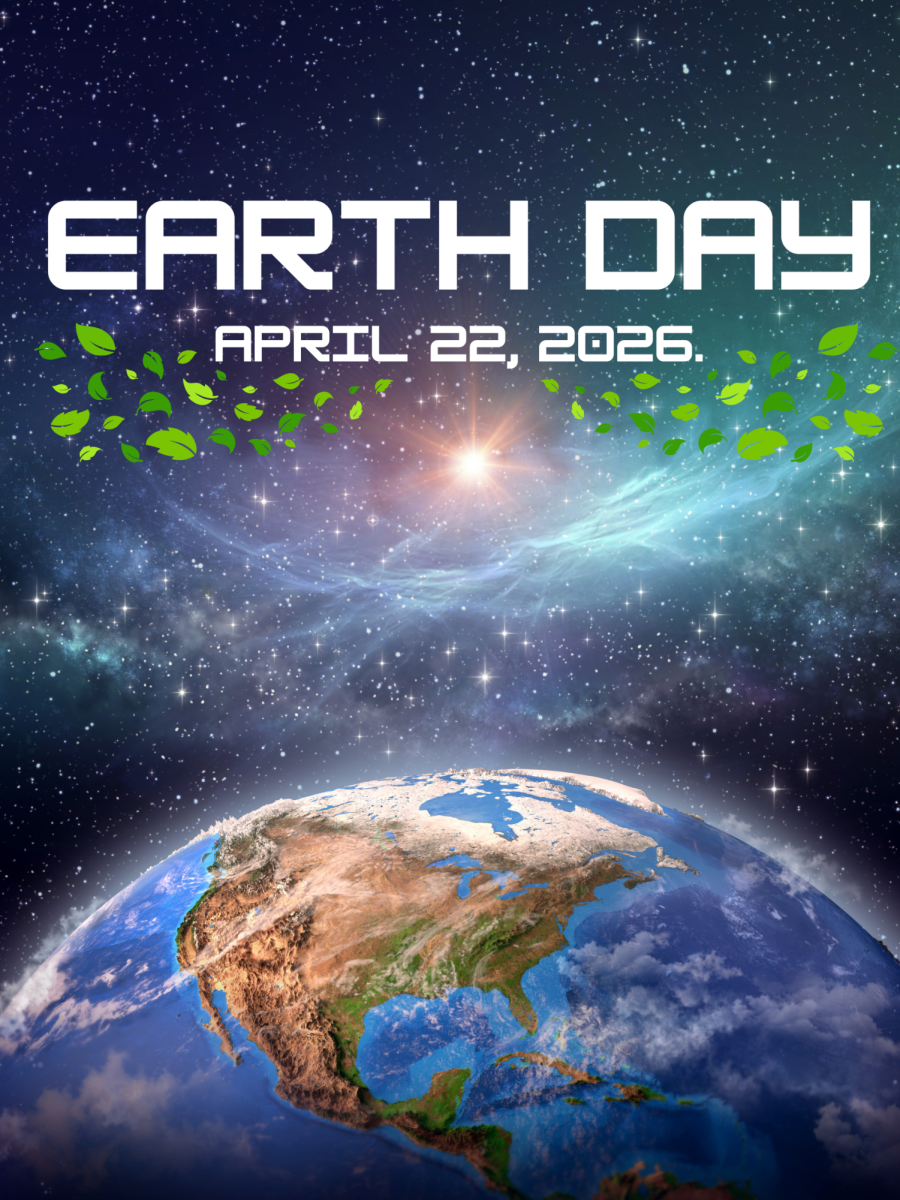
Every year on April 22, we pause to celebrate the sphere we call home. Since its inception in 1970, Earth day has evolved into a global movement involving over a billion people. In 2026, the conversation has shifted; we are no longer just celebrating the planet. We are actively participating in our planet’s restoration, according to earthday.org.
The first Earth Day, held on April 22, 1970, is considered the birth of the modern environmental movement. On this day, it wasn’t just a small gathering; it was a massive, nationwide awakening that fundamentally changed how we view our planet, according to Almanac. Before 1970, there were no legal protections for the environment which is what made that year so significant. The idea came from Senator Gaylord Nelson of Wisconsin because he wanted to fix air and water pollution. In order to evaluate his plan, he recruited Denis Hayes to organize the national effort.
The first Earth Day exceeded all expectations, as 20 million Americans took to the streets, parks, and auditoriums, according to Almanac. In addition, thousands of colleges and universities held protests and educational rallies which ultimately changed the world.
Today, Earth Day is still a significant holiday and the challenges we face in 2026 such as biodiversity loss and climate change both require more than just awareness. This means people need to work together to clean-up the environment, plant more trees, and practice reducing, reusing and recycling, according to Synergy Companies.
Ultimately, Earth Day serves as a powerful yearly reminder that we are not separate from nature, but a vital part of it. By investing in the health of our planet today, we are securing a more resilient and sustainable home for the generations of tomorrow.